Wednesday, December 4, 2019

The Cave (2019): A Review (Review #1315)

THE CAVE (2019)

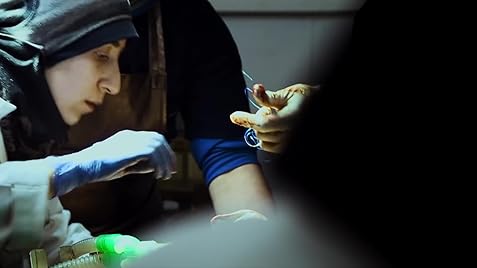
The tragedy and misery of Syria is chronicled in The Cave, a hard film to sit through. A follow-up to the 2017 Syrian documentary Last Men in Aleppo, director Feras Fayaad looks at things through a woman's view. The Cave does well when focusing on the horrors and few joys those besieged are going through. When it slides into displaying Arab/Islamic sexism things become curious. 

We follow Dr. Amani Ballour, one of the few doctors still in Eastern Ghoula on the outskirts of Damascus, as she navigates not just attending to a variety of patients under extreme conditions but also just surviving the siege itself. Though there are facilities above ground, part of the hospital is also beneath ground in an effort to provide safety from the Syrian and Russian bombings.

While there are horrifying and tragic moments to suffer, there are moments of lightness ranging from a surprise birthday party for Amani to her continuously frustrating efforts to make good dishes with what rice and water they can find.

We also find that despite the dire circumstances, rampant sexism reigns. One frustrated man not only demands to speak to a 'male manager' because Dr. Amani cannot possibly be an administrator due to her gender. As if that wasn't bad enough already, that same man lectured both her and her colleague Dr. Salim Namour (who is male) about how Dr. Amani should be at home.

Image result for the cave 2019 documentaryThere is a contradictory feeling when it comes to The Cave. On the one hand, we need to keep hearing and seeing these type of stories. The horrors and tragedy that is Syria in the midst of the failed rebellion against the Assad regime needs to be at the forefront.

On the other hand, I think there's a sense of exhaustion about these types of stories. For eight years the world has watched as Syria has decimated itself. The monstrous acts of the Assad regime found an equally horrifying set of monstrous acts with ISIS, as if so many sides had a contest as to who could do more unspeakable crimes against humanity.

As a result, there is just a feeling that The Cave is almost a lecture, a scolding about our collective inaction. This sense of scolding and lecturing grows whenever we see and hear about the sexist patriarchy.

Intentional or not, there is a sense that The Cave loses its way when it focuses not on Dr. Amari's acts of courage but on how her gender affects others. After a rare venture outside beyond the hospital, Dr. Amari is clearly displeased when a fully-covered mother declines an offer to work at the hospital. The literally hidden woman remarks that the man would not like it. As they drive off, Dr. Amari's surprisingly controlled anger erupts.

Related image"Why can't a woman decide for herself and do what she wants to? Would that diminish men?", she rhetorically asks. Later on, she goes on "Do they have to keep making us feel inferior? Women can contribute".

It's a strange thing that amid the dead children and dismembered adults, Dr. Amari focuses on male stupidity. There is already enough horror going on around us in The Cave, and somehow the film loses focus on the misery in Syria when it pops in reminders on Arab Syrian men's toxic masculinity.

The despair Dr. Amani has is very close to the surface. At one point after seeing more dead and dying children, she all but snaps, "I don't know what makes people have children in these circumstances", a statement that so shocks her female colleague that said colleague immediately replies, "God forgive you for what you said".

The Cave is a strong survival tale, one that allows for moments of hope. Dr. Salim for example insists on playing classical music when in the operating room, his beloved Beethoven serving as respite to a slightly bemused, slightly disinterested Dr. Amani. We do hear a bit from her parents via telephone, her father encouraging her that she has done great things even after circumstances grow so desperate she herself has to flee. He reminds her not to focus on those she could not save but on those she did.

It is impossible not to feel great sadness and even get teary-eyed when Dr. Amani has to flee from a mother bewailing her dead son Eyad. Hearing Eyad's mother cry from the depths of her soul about how he has left her seems to shake Dr. Amani, whom we next see sobbing in her office.

The Cave is a hard but necessary film to watch, though weakened when it shifts to showcasing Arab/Islamic sexism. This is a portrait of true courage under fire, of a world that cares nothing about the miseries of those forced underground. "It's like living in a grave", Dr. Amani observes. Whether there will be a Resurrection we do not yet know.

DECISION: C+

Little Women Retrospective: An Introduction

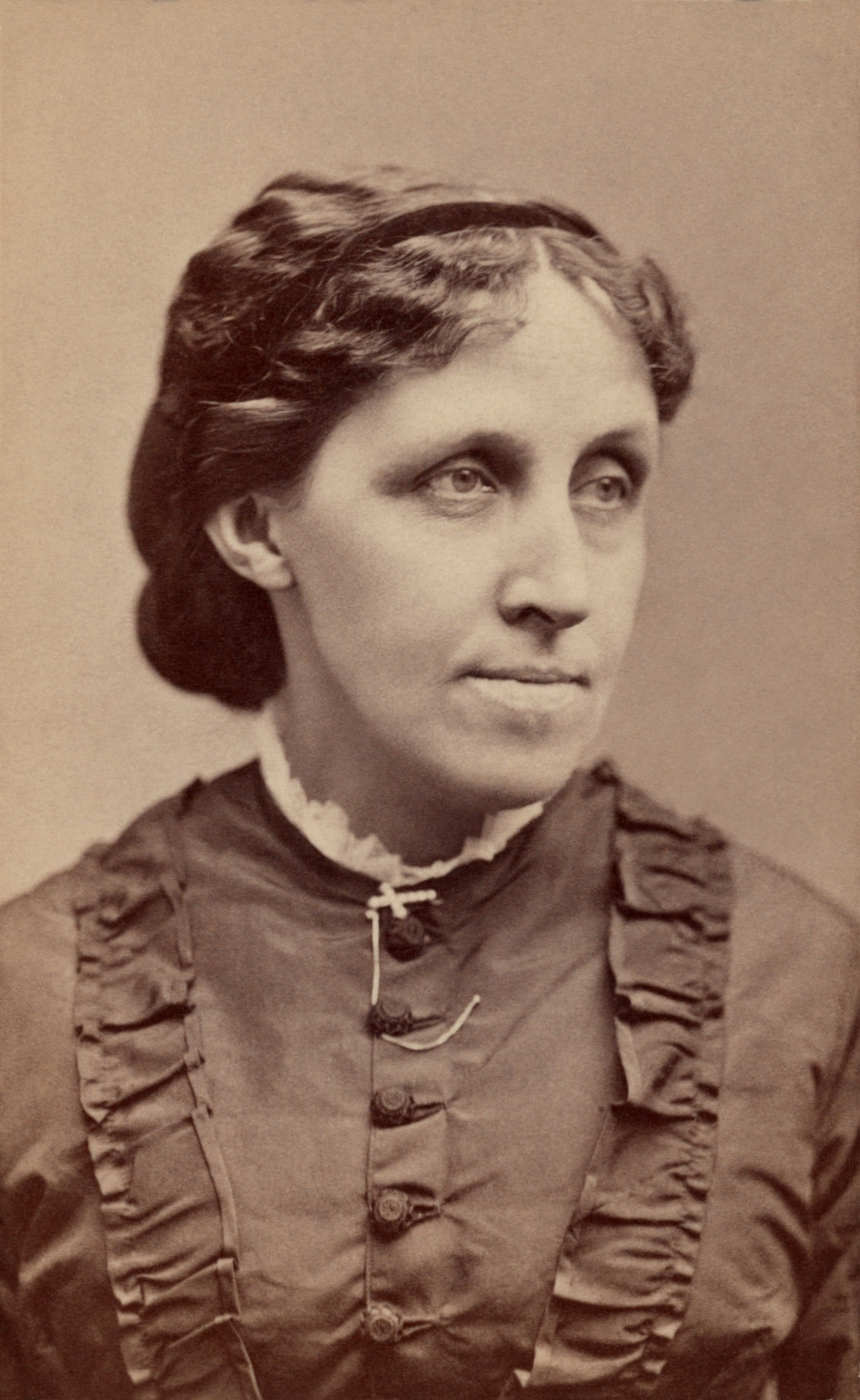
Louisa May Alcott:
1832-1888

LITTLE WOMEN RETROSPECTIVE: 
AN INTRODUCTION

"And then they realized they were no longer little girls. They were Little Women".

So Springfield barkeep Moe Szyslak so movingly and tearfully read to a group of homeless men from Louisa May Alcott's beloved classic. Never mind that as far as I know these lines are not actually in Little Women itself, Szyslak's reading is so touching you accept it as true.

With that, I begin what I had planned for some time but which the latest film version of Alcott's most celebrated work now brings forward: a Little Women Retrospective.

It's a bit sad that when people talk about 'the old version' of Little Women, they are referring to the 1994 version starring Wynona Ryder and Susan Sarandon as Jo and Marmee March respectively. A few people will mention the 1933 version starring Katharine Hepburn and Spring Byington. Hardly anyone remembers the 1949 version starring June Allyson and Mary Astor, let alone the 1978 television miniseries with Susan Dey and Dorothy McGuire.

Is this fair to have those two adaptations unrecognized? Which version really stands tall and which version should best be forgotten? How do each of them fare against the latest adaptation? How will the 2019 version stack up against its predecessors?

Now, with the Saoirse Ronan and Laura Dern version coming, it is time to look back on the three previous film versions (the television adaptation already having been reviewed for the Summer Under the Stars Blogathon celebration of Greer Garson). Every Tuesday for the next three weeks I will look at a past Little Women adaptation culminating with the 2019 version.

I hope this brief retrospective will be entertaining and enlightening. We begin next week with the first sound version released in 1933, with a concluding essay after reviewing the 2019 adaptation.

1933
1949
1978
1994
2019
Little Women: The Conclusions

Tuesday, December 3, 2019

The Best Picture Retrospective: My Ten Best Best Picture Winners

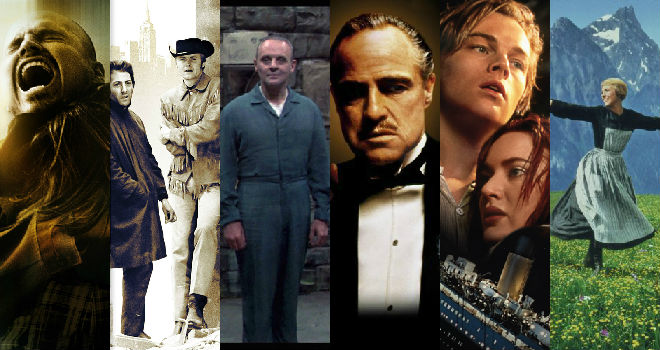
Image result for best picture winners

MY TEN BEST BEST PICTURE WINNERS

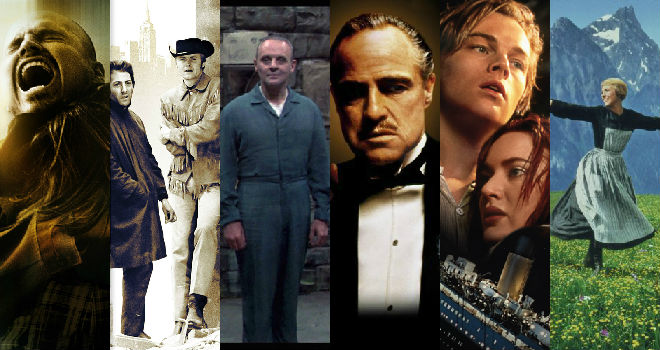
Now it is time to unveil which of the 91 Academy Award Best Picture winners I would rank as the Ten Best of All Time. First, a refresher as to how I arrived at this list.

I had three main criteria for ranking: Do I think it is good? Do I think it has or will last the test of time? Would I watch it again?

Every film would be ranked as compared to others based on those three main criteria. Once I was satisfied where a particular film fit, I would move on to the next one until the list was complete.

I should say 'lists' as I came up with two separate rankings to see if I shifted my views on some of the films. To my surprise my Top Ten were the same in each list. The only difference was between my Fourth and Fifth Best Pictures, where they were reversed. After some thought and contemplation, again with the three criteria, I sorted them to where I was satisfied.

This was the same methodology I used for my Ten Worst.

And now, without further ado, my choices for the Ten Best Best Picture Oscar winners.


Image result for the silence of the lambs criterion

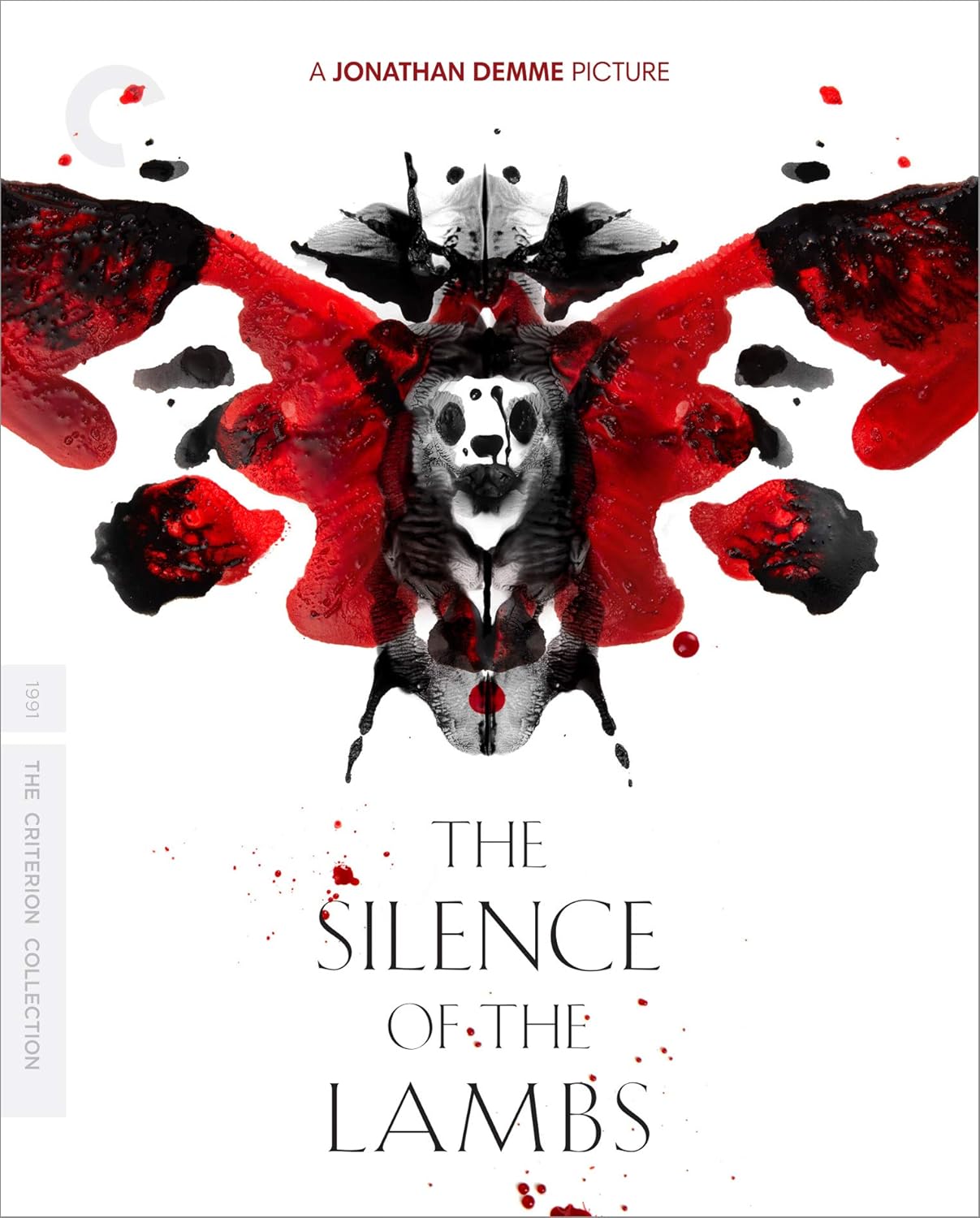
10: The Silence of the Lambs (1991)

Pulling in the rear is this psychological thriller, a tense battle of wits between the metaphorical forces of good and evil. Brilliantly acted and directed, The Silence of the Lambs on second viewing is far above more traditional 'horror' films in that there is surprisingly little gore. There is some, but the film I think now serves as allegory on gender equality long before the term was created. The Silence of the Lambs perfectly balances horror and intelligence, with a chilling turn by Sir Anthony Hopkins as the brilliant psychopath Hannibal Lecter and Jodie Foster as Clarice Starling, the woman who is able to face off against him but not without damage.


09: The Godfather (1972)

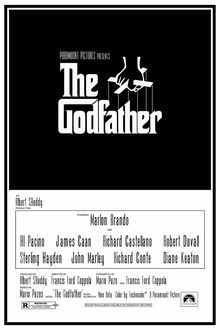
The Godfather is not just about 'gangsters', though I know many who love it precisely because it is about mobsters. The Godfather is also about family, loyalty and the terrible burden it can place on those we love. There is a dark side to the American Dream, and the Corleones portray it as they fight to hold on to power. The Godfather is blessed with exceptional performances from the cast, and it's a credit to the actors that we do not see them as murderous thugs. Instead, we see them as a united family, but one drenched in blood and the high price so many paid for their sins.

Image result for it happened one night criterion

08: It Happened One Night (1934)

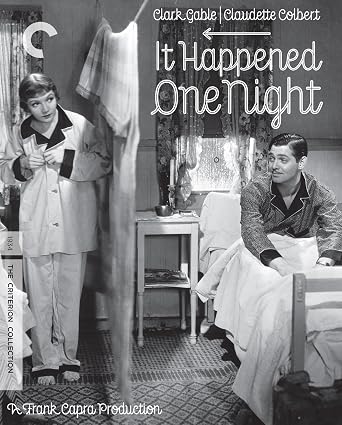
Perhaps it is too much to say that It Happened One Night created the screwball comedy. However, It Happened One Night brings so many elements of a screwball comedy together so well that I would not argue against it. This tale of a madcap heiress and the cynical reporter who join forces and start out disliking each other (and naturally fall in love) is such a joyful delight from start to finish. On their wild ride and adventures, we see how deft Frank Capra was in capturing the popular mood. That we end up loving the leads in the same way they end up loving each other is a credit to Claudette Colbert and Clark Gable, both of whom won their only Oscars for the film. Do I love It Happened One Night? YES...but don't hold that against me, I'm a little screwy myself!


Image result for gone with the wind poster
07: Gone With the Wind (1939)

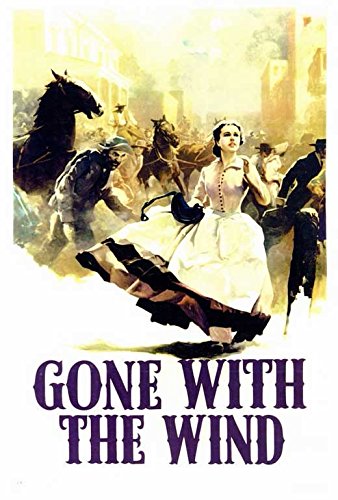
An epic among epics, Gone With the Wind suffers from its now-problematic portrayal of the antebellum South/Confederacy as rather bucolic, almost pleasant to where you wonder what all the fighting was about. I think too many people, however, mistake Gone With the Wind as a paean to the Old South and slavery. Rather, it is a portrait of a world unaware that its time is finished. Gone With the Wind is more about survivors, specifically our anti-heroine Scarlett O'Hara so brilliantly played by Vivien Leigh in perhaps the greatest female performance in film history. In her fierce determination to 'never be hungry again', we both love and loath Scarlett. Complimented by brilliant performances from Clark Gable and Olivia de Havilland, Gone With the Wind sweeps you up in a whirlwind visually and emotionally.


06: Lawrence of Arabia (1962)

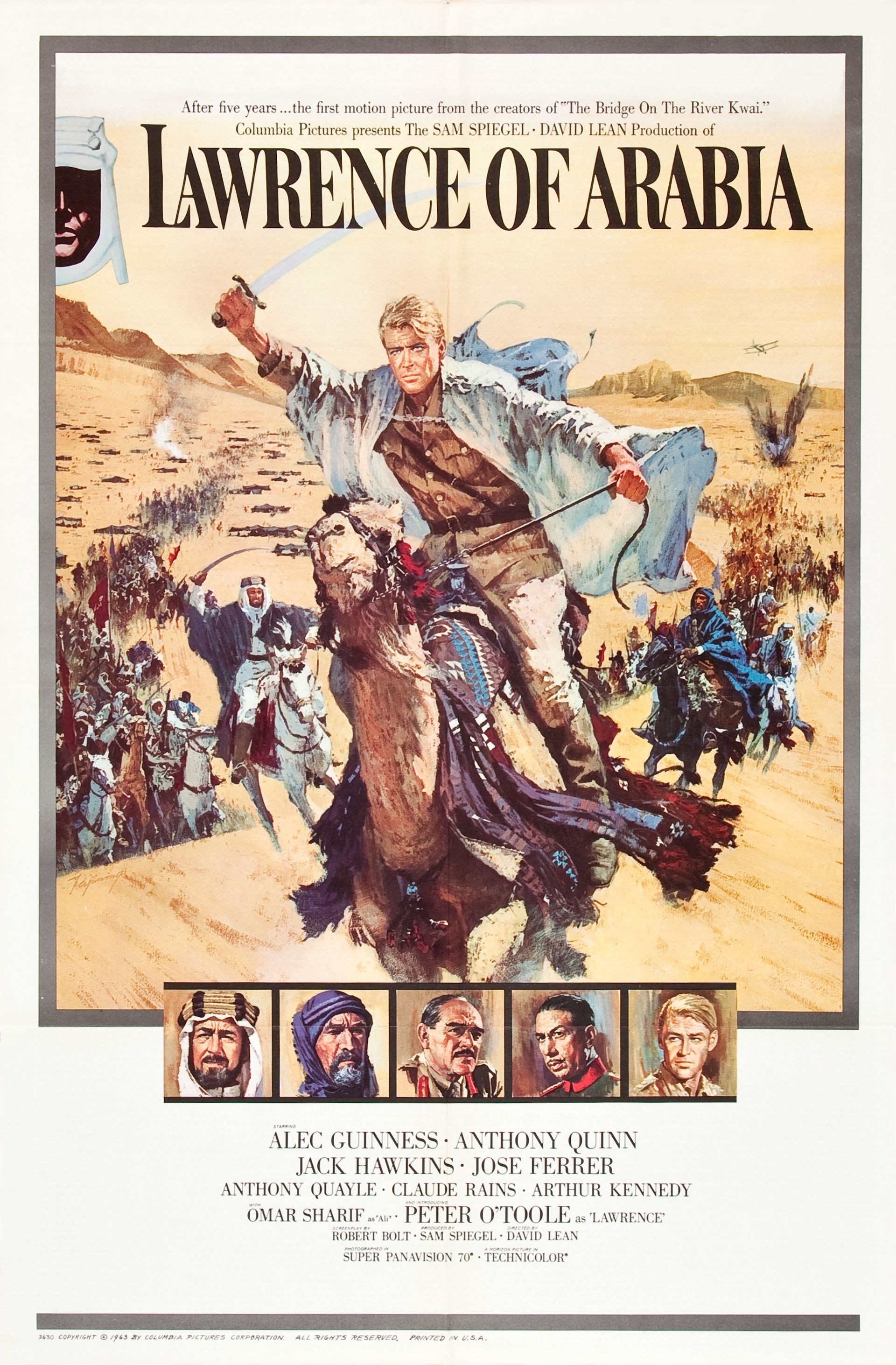
Lawrence of Arabia has the curious distinction of being the only Best Picture winner with no women in the film. That and the fact that the Arab/Turkish characters were played by non-Arabs/Turks save for Egyptian actor Omar Sharif in the critical role of Sharif Ali would be unthinkable today. Truth by told Lawrence of Arabia simply would not be made today: lengthy films about obscure historic figures with few battle scenes would be a poor sell. However, Lawrence of Arabia is not really about the Arab campaigns during World War I. Rather, the film is as I've often said an epic about one man's soul. Brilliantly played by Peter O'Toole, this T.E. Lawrence is a conflicted man, unsure of where or even if he fits in with the British or the Arabs. Lawrence of Arabia paints a massive portrait of a man and a world in conflict, with no peace or resolution for either.


05: All Quiet on the Western Front (1930)

War is a brutal, ugly thing, and yet we continue to throw ourselves willingly into its horrors. All Quiet on the Western Front was released a mere thirteen years after 'the war to end all wars' concluded. Many veterans would still be among those watching these frightful and frightening images of what they endured. The film paints war not as a glorious undertaking of courage, strength and honor, but as dirty, brutal and destructive. Lew Ayres' performance, surprisingly overlooked for Best Actor, still grips you in its mix of innocence and weariness. It is impossible not to be moved by All Quiet on the Western Front: the young men's first encounter with the shock of battle, Ayres begging forgiveness of the dead man he's been forced to kill and that final scene with the butterfly. All Quiet on the Western Front will make you hate war and have you agree with Ayres' Paul on the stupidity of 'dying for your country'.

Image result for the godfather part 2 poster
04: The Godfather Part II (1974)

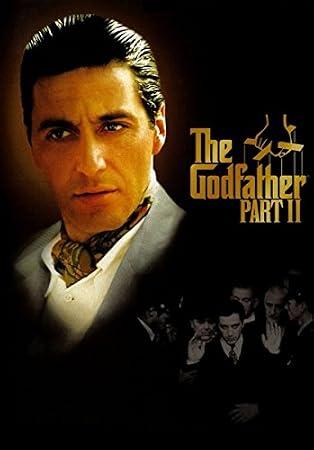
The first sequel to win Best Picture, The Godfather Part II is also a prequel, telling the story of the rise of Don Vito Corleone and the fall of his son Michael. As the story weaves in and out between Vito and Michael, we see how the sins of the fathers really are visited upon the sons. The Godfather Part II is richer, deeper and darker than The Godfather as it allows us to explore more of this world. Michael's transformation into one of most evil men in film is complete, yet you do leave with some sorrow for him. He now has total power and is unquestioned, but he is also alone and unloved, a shadow of what he could have been if not for his loyalty to family.


03: Schindler's List (1993)

The Holocaust is among history's greatest horrors. It has been chronicled in film in productions ranging from the little-known The Search to The Diary of Anne Frank and Sophie's Choice. There have also been various television programs and specials from Holocaust and Uprising to the World War II-set series Homefront episode The Lacemakers. However, Schindler's List towers over all these other worthy projects. I think it is due in part to the fact that the title character is not a good man. A womanizer, adulterer, war profiteer and Nazi Party member, one does not expect any goodness in Oskar Schindler. Yet, Schindler's List shows that every individual has that capacity for good or evil, even flawed people. With excellent performances all around especially Liam Neeson and Ralph Fiennes, a moving John Williams score and deft, delicate direction from Steven Spielberg, Schindler's List is simultaneously heartbreaking and life-affirming.


Image result for all about eve criterion

02: All About Eve (1950)

Just as Lawrence of Arabia had no women, All Above Eve was all about women...and their men! It's an age-old tale of how the young overtake 'the old', but one filled with so many brilliant elements. All About Eve has perhaps the definitive performances from its female triumvirate of Bette Davis, Anne Baxter and Celeste Holm as the talent, the false ingenue and the one caught in the middle. George Sanders too was never better than the appropriately-named Addison DeWitt, who wields words with the skill of a master swordsman. This backstage tale of backstabbing, masterfully written and directed by Joseph L. Mankiewicz, is knowing on the wicked ways of people. To some, life is theater, a lifelong performance where curtain calls are everything. To All About Eve, theater is life, with the mingling of the public and private collide in explosive fashion. Fasten your seat belts indeed.


01: Casablanca (1943)

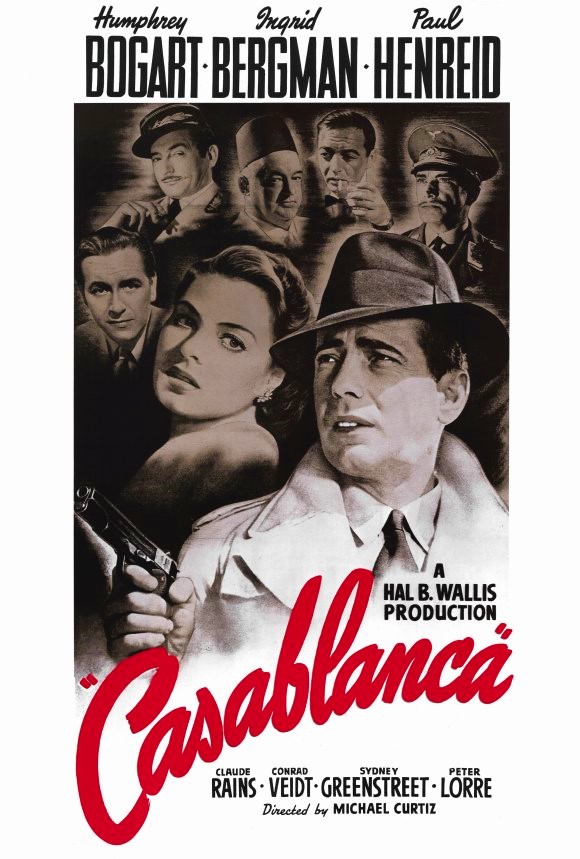
People who know me know that Casablanca is my favorite film of all time. If my unrequited love for it causes people to think that was the sole reason to name it my Best Best Picture Winner of All Time, guess again. Casablanca really has everything: action, romance, drama and even comedy. The film moves swiftly and has a timeless quality while simultaneously being of its time. A cavalcade of exceptional iconic performances abound: Humphrey Bogart's wounded cynic, Ingrid Bergman's conflicted love interest, Paul Henreid's noble man of conscious and my favorite, Claude Rains' unscrupulous but ultimately noble Captain Louis Renault. Casablanca's themes of love lost, found and sacrificed will resonate always, for as long as the world welcomes lovers and as time goes by.

Next time, my Ten Worst Best Picture Winners.

Monday, December 2, 2019

Cold Case Hammarskjold: A Review

Image result for cold case hammarskjöldCOLD CASE HAMMARSKJOLD

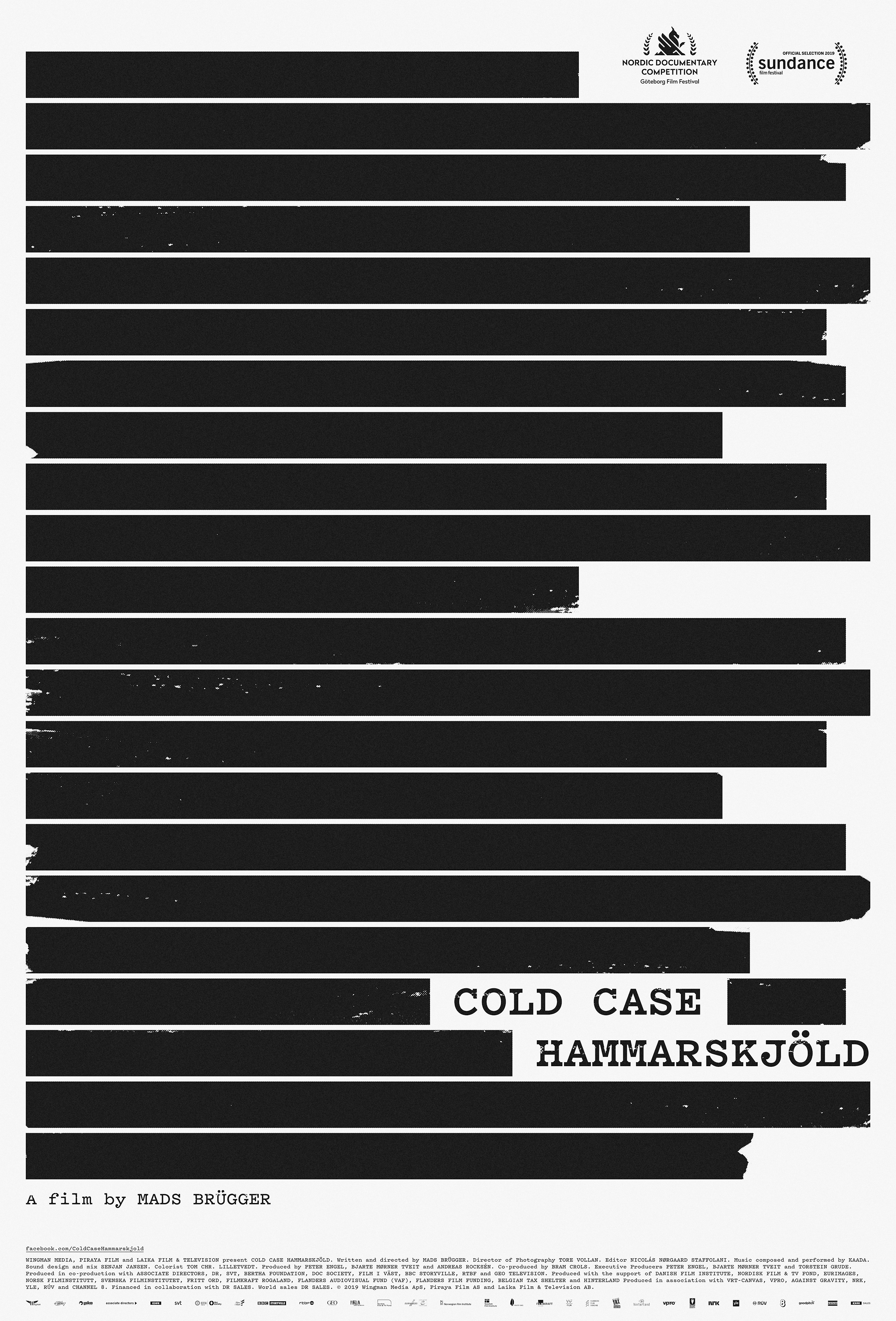
The name 'Dag Hammarskjold' is a surprisingly obscure one given he was a major player in international politics. It's highly unlikely most people now would have heard the name 'Dag Hammarskjold', let alone know how to pronounce it ('Daag Hammer-schold' is as close to a phonetic pronunciation I can get). The documentary Cold Case Hammarskjold does not make a case that the Secretary-General of the United Nations did not die in an accidental plane crash but was actually assassinated by a cabal of foreign governments, a mining company and South African white supremacists.

It does make a case that its director, Danish filmmaker Mads Brugger, is genuinely bonkers.

Less a straightforward documentary and more a rambling filmed essay with animation and some theatrics, Cold Case Hammarskjold says it is investigating the mysterious crash in the Congo that took Hammarskjold's life on September 18, 1961. Working with Swedish investigative journalist Goran Bjorkdahl, Brugger travels throughout Africa looking for witnesses and evidence to verify that Hammarskjold was assassinated. This evidence is somewhat supported by what was uncovered both by the South African Truth and Reconciliation Commission and the United Nations own investigation.

Going through a prologue, fourteen chapters and an epilogue, Cold Case Hammarskjold seems to pretty much forget about Dag as it wanders off into more and more bizarre territory. We end up looking at a shadowy paramilitary group with the innocuous name of the "South African Institute of Maritime Research". SAIMR, headed by the shadowy and sinister "Dr." Keith Maxwell Annandale, had its members dress always fully in white, with secret labs from which they also not only planned but perpetrated a sinister plan to deliberately inject black Africans with HIV in a conspiracy to exterminate the black population.

Image result for cold case hammarskjöldCircling back somehow to Hammarskjold's death, Cold Case Hammarskjold does not actually prove anything it presents, just wild speculation and a couple of Scandinavians doing some literal digging.

Looking like an older and slightly unhinged Moby with a Danish accent, Mads Brugger comes across as someone who is not taking any of this seriously and is just pretending to. Either that or he's a complete loon. Sometimes his lunacy takes on almost endearing manners, such as his pronunciation of 'maritime' as 'Mari-TEAM'. Sometimes though, his behavior and antics in Cold Case Hammarskjold come across as almost a parody. I genuinely expected to see Brugger look into the camera and tell us this whole thing was a joke and we were being punked. There are probably moments in the television comedy Documentary Now! that are more realistic and rational.

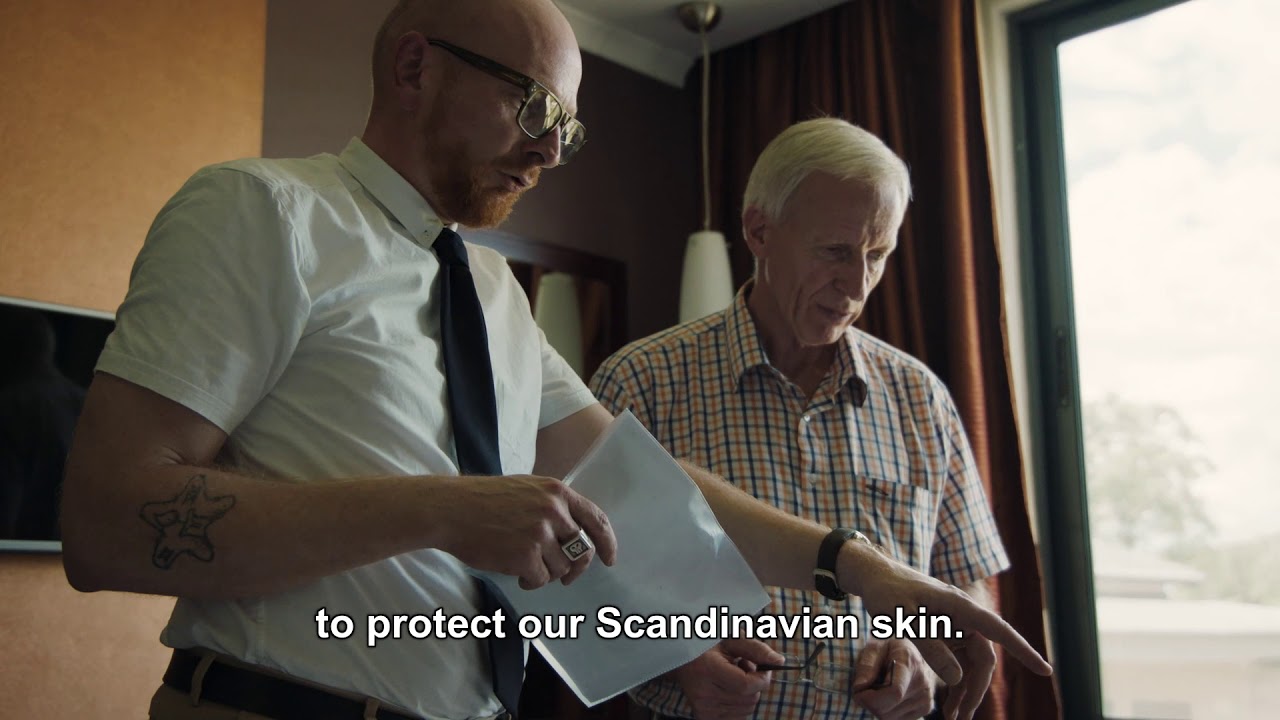
Perhaps the most oddball moment involving Brugger himself is when he presents a slightly perplexed Bjorkdahl with their digging equipment. He notes there are two pith helmets, "to protect our Scandinavian skin", he adds, then two cigars for when they find the buried wreckage. Bjorkdahl looks at Brugger and says in what I figure is either Swedish or Danish, "But I don't smoke".

It seems like others involved in this alleged plot are equally perplexed. Brugger and Bjorkdahl ambush Marion van Rissenghem, the widow of the pilot they suspect was the mysterious 'Lone Ranger' who shot down Hammarskjold's plane. She seems puzzled at first, but as soon as Brugger asks his first question, the Widow van Rissenghem all but throws her arms up in despair. "Not this Hammarskjold thing again!" she says before going back into her home.

Image result for cold case hammarskjöld
Judging by her reaction, Mrs. van Rissenghem appears to have been hounded by conspiracy theorists looking to her dead husband as a political assassin and finds them a hopeless nuisance. Another person they question about being part of SAIMR seems more confused than deceptive upon being presented evidence of his clandestine operatives.

Maxwell's widow over the telephone says that she thought her husband might have been bonkers, laying suspect his claims on SAIMR. The fact that Maxwell liked to dress up in Royal Navy garb to look like Lord Nelson does not help matters. Still pressing on, Brugger never bothers to wonder if Maxwell is less than a reliable source.

At the beginning of Cold Case Hammarskjold Brugger does mention that this is either the biggest murder mystery ever or the most idiotic conspiracy theory ever. Judging by his antics, the reaction of the two African secretaries he's hired to type out his dictation, and even some of the witnesses, Brugger makes the case for the latter. The look on secretaries Clarinah and Saphir as this very strange white man keeps talking says it all: they appear to think he's insane and are just humoring him to get out alive.

Image result for cold case hammarskjöldAt some points, Brugger seems unaware of how bonkers he sounds. At other times, he seems perfectly content to look essentially idiotic in his efforts to be serious. He 'dresses up all in white' because that is how the villain, Dr. Maxwell, always dressed. How this helps establish anything about whatever Brugger is talking about he never bothers to answer.

The only way I could recommend Cold Case Hammarskjold, which at slightly over two hours is far too long for the case it is not making, is if you look at it as a spoof of investigative documentaries. If you decide to be interested more in style than in subject, Cold Case Hammarskjold can be a howler of a mockumentary. 

Perhaps the name "Mads" is surprisingly appropriate for someone who comes across as almost endearingly insane.

DECISION: D+

Daniel Isn't Real: A Review


DANIEL ISN'T REAL

Daniel Isn't Real seems at a loss as to what it wants to be. Is it a psychological thriller? Is it a straight-up horror film? From the looks of it, it wants to be both, which is much to its detriment.

As a child, young Luke has multiple traumas ranging from his parents' marital troubles to seeing the aftereffects of a random shooting. Shortly afterwards, he finds a friend named 'Daniel'. 'Daniel' is an imaginary friend, and Luke's mother Claire (Mary Stuart Masterson) plays along with this for a while. 'Daniel' then suggests to Luke to put in all her medication in a blender for her to drink, almost killing her. After blaming Daniel, she orders him to be locked up in his grandmother's dollhouse.

Now a sullen college student, Luke (Miles Robbin) is finding life a struggle, particularly as Claire is having her own mental health issues. Struggling with life, he finds that perhaps he could use a friend. Enter again Daniel (Patrick Schwarzenegger), now fully-grown. Daniel now serves as Luke's otherworldly life coach, helping him get not one but two girls: artist Cassie (Sasha Lane) and psychology student Sophie (Hannah Marks).

Image result for daniel isn't realIt isn't long however, before Daniel becomes more malevolent. Luke becomes terrified that Daniel was the force that drove John Thigpen, the shooter he witnessed as a child, to kill. With Daniel around, Luke fears he too will do something dangerous. This requires more than medication. It requires Tibetan singing bowls and other supernatural elements brought by Dr. Braun (Chukwudi Iwuji), the school's psychiatrist. 

Daniel, however, won't go without a fight, leading to a battle for Luke's mind and soul with shocking conclusions for both Luke and Daniel.

Perhaps a good way to describe Daniel Isn't Real would be A Beautiful Mind as a horror film. As I watched, many other films popped into my mind. I saw a bit of, of all things, Jumanji with the 'child' returning as an adult whose return causes all sorts of chaos. There's Drop Dead Fred with the imaginary friend causing chaos to the adult who once played with him/her. I also thought of another horror film, The Sentinel, only without the laughs intentional or not.

Director Adam Egypt Mortimer, adapting the screenplay with Brian DeLeeuw from DeLeeuw's novel In This Way I Was Saved, does have a strong visual style when not going for traditional horror imagery of spooky houses and red-lit rooms. Composer 'Clark' (Christopher Steven Clark's nom de musique) created extremely well-crafted music, creepy without resorting too much to long violin notes.

Mortimer also brought some strong performances from his cast.

Image result for daniel isn't realOf particular note is Lane as Sasha, the struggling artist who catches Luke's eye. While her last scene as she attempts to ward off a possessed Luke was perhaps her weakest, for the most part she played the part realistically as a woman unaware of the evil around her.

Robbins too was strong in that he had to play a variety of emotions: confused to cocky, forlorn to possessed. He plays Luke as someone who, from what I understood, is simultaneously schizophrenic and demon-possessed. Masterson, though her role was brief, seemed to be the only one unaware she was in a horror film. Her performance was more dramatic as a woman who ends up in a mental hospital herself, with no help from Daniel.

I think I can cut Schwarzenegger some slack in that he is starting out his own career, but his Daniel is actually one of the weaker aspects of Daniel Isn't Real. It's almost as if he prepared for the role by watching Christian Bale in American Psycho and deciding that was what he was going to do. There's no subtlety to how Schwarzenegger plays him: he's obviously so overtly creepy even before he takes Luke's body that it's almost hilarious.

My biggest issue with Daniel Isn't Real is in the actual nature of the title character. It's as if the film couldn't decide whether Luke is truly mentally troubled or demonically possessed. As such, it appears they went for both, which is wrong on so many levels. The film basically says that Daniel is some form of demonic force: he apparently possessed the shooter in the beginning of the film and transferred over to Luke with the expectation he'd transfer to a new body when finished with Luke.

Image result for daniel isn't real
At the same time, Daniel Isn't Real also strongly suggests Luke is suffering from a mental illness ranging from schizophrenia to perhaps Dissociative Personality Disorder (formerly known as Multiple Personality Disorder). How else to explain Dr. Braun? He went from treating Luke with therapy and prescribing medication to performing an exorcism. Add to that he in the end Braun literally saw Daniel in physical form and was killed by him. Try as I might I could not shake off the impression that this kind of situation would not work.

The film never seemed to have settled on what exactly Daniel was: a manifestation of Luke's mind or a literal demonic force. Sometimes it goes one way, sometimes another. From what I saw Daniel Isn't Real leads to finally ending on the latter, but that leads to another set of problems with Luke's end. Without giving too much away, his ending is a shockingly poor way to suggest someone with mental health issues resolve his/her situation.

Daniel Isn't Real has some positives: an excellent score, a visual style that I think will please horror fans and some good performances from Robbins and Lane. My issue is that the film apparently wanted to be both on mental illness and demonic possession. Somehow, I think society has long ago decided they were not connected.


DECISION: D-

Sunday, December 1, 2019

Frozen II: A Review (Review # 1312)

FROZEN II


There once was a time when the Walt Disney Company was satisfied with releasing sequels to their catalog as straight-to-video. Lady & The Tramp II: Scamp's Adventure. Cinderella III: A Twist in Time. The Lion King 1 1/2. Now they know better. Not only will audiences flock to live-action remakes of their vaulted vault (The Lion King, Aladdin) but will also shell out mucho money for sub-par cash-grabs, eh, sequels, to genuinely great films.

Frozen II is a pointless sequel to the massive Frozen, a needless venture Into the Unknown. Even that one could forgive if there were any good songs in it.

Queen Elsa (Idina Menzel or Adele Dazeem to John Travolta) rules over Arendelle, but she hears a voice calling out to her. Deciding to go Into the Unknown, Elsa ventures towards a mystical forest in the north, enveloped not just in a magical mist but in mystery ever since the time of her and her sister Anna's (Kristen Bell) grandfather.

Said grandfather, King Runeard, established peace with the Northuldra people and even built them a dam, only to find himself and his troops attacked. His Majesty's son managed to escape the forest's fog and return safe, though the how relates to Elsa and Anna.

Whether anyone else can escape the fog and return safe cannot be said for Elsa, Anna, Anna's boyfriend Kristoff (Jonathan Groff), his reindeer Sven or Olaf (Josh Gad), the happy-go-lucky snowman. All venture into the mystical forbidden forest sealed off by the Elements of Earth, Wind & Fire (along with Water), where the truth about both Elsa and Anna's heritage and the Northuldrian people is revealed. It's a shocking secret, one that may cost Arendelle its very existence until in the end all ends well, with Anna now Queen of Arendelle and Elsa among her own enchanted people.

Also, there's a running gag about Kristoff constantly bumbling his efforts to propose marriage to Anna.

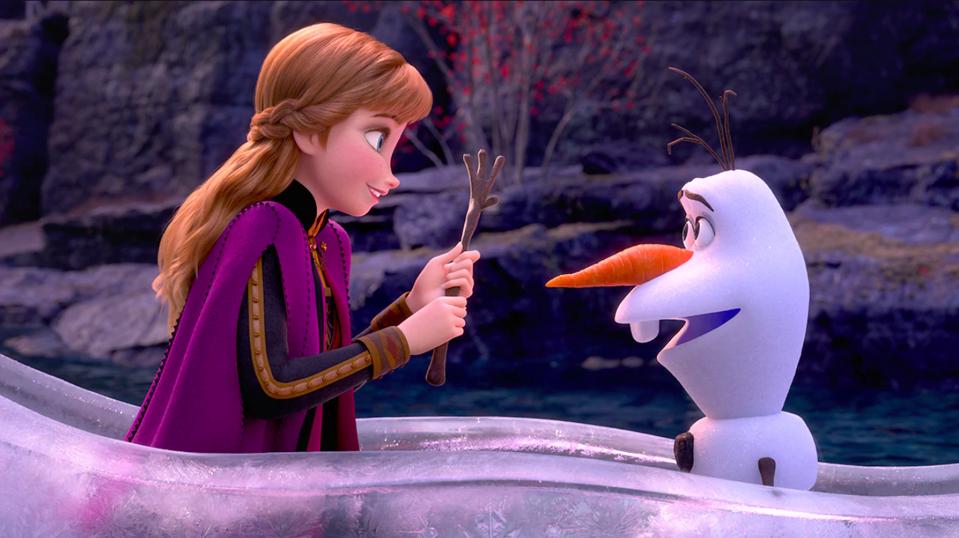
Image result for frozen 2Frozen II is a very confused, rushed production, as if everyone involved thought the best thing to do was create a film no one was actually asking for and try feverishly to recreate what made Frozen great. Unfortunately, they failed in every element.

There is no story here, unless the six screenwriters including co-directors Jennifer Lee and Chris Buck along with co-songwriters Robert and Kristen Anderson-Lopez were making some kind of oddball case for Native American reparations that involved destroying the Scandinavian version of Manhattan.

Never mind that the Arendellians, themselves innocent of any genocide or potential genocide their good old king was planning, or that their current monarch and heiress presumptive are themselves half-Northuldrian. To placate the Elemental Spirits, you had to drown a whole nation. It was nice of the Elements to at least push the Arendellians up to the hills at least so that they themselves wouldn't drown.

Whatever tension or romance or genuine affection Frozen had is gone. There really is nothing in Frozen II, apart from perhaps some pretty imagery. Granted, some of Frozen II looked nice, but if pretty is all you have to offer, then why bother taking out what made Frozen so great: the songs?

Making matters far worse is that the Lopezes decided to churn out a collection of rubbish, forgettable songs. The big push is to have Into the Unknown be this film's epic Let It Go, but apart from the actual line "into the unknown" I cannot remember a word from that song. I can't even remember how the melody goes. Robert and Kristen perhaps labor under the impression that if Menzel forces a song to the Nth degree, belting it out as if her life depended on it, then it's 'epic'.

Image result for frozen 2
Into the Unknown is not big. It's barely loud, and for reasons I probably won't understand the end credits have a cover of it by Panic! At the Disco. Let It Go did what a great musical number did: express a character's emotion or state of mind. Into the Unknown expressed a need for "big musical showstopping number", ending up being neither big, musical, or showstopping. 

Worse is Olaf's number When I Am Older. I figure this was written because Olaf had such a success with the cute In Summer, but When I Am Older was so pointless I thought it should have been cut altogether, as it added nothing to the film. In Summer revealed Olaf's naivete. When I Am Older revealed Olaf's stupidity.

Of all the songs, Lost in the Woods is the worst, which is saying quite a bit given how all the Frozen II songs are forgettable dribble. Lost in the Woods was so cheesy, something that sounds like a song a heavy metal/hard rock band releases to show they can make tender, emotional romantic ballads too. Poison has Every Rose Has Its Thorn. Extreme has More Than Words. Damn Yankees had High Enough. Queensryche has Silent Lucidity. Scorpions has Winds of Change.

Kristoff has Lost in the Woods.

Image result for frozen 2 lost in the woodsIt wasn't just the overwrought sentiment in Lost in the Woods. It wasn't even having Sven and the Reindeer Choir join in. It wasn't even the fact that Lost in the Woods was another pointless number. It was the way Lost in the Woods was filmed, in such a faux-romantic yearning manner you would have thought one was now watching a music video. I literally burst out laughing during Lost in the Woods, unable to hold in how silly everything in it was: the overwrought nature, the visuals of him with Anna, the bathing of sunlight.

It was hilariously awful, and frankly the nadir of Frozen II. At least I will remember Lost in the Woods, though for all the wrong reasons.

It would have made more sense to have Kristoff sing Heart's Alone given that both pretty much express the same emotions. Only difference is that Ann and Nancy Wilson have a greater sincerity and strength when they sing Alone than Jonathan Groff when he sings Lost in the Woods.

Frozen II has nothing worth anyone's time. It has no story. It has no songs. It has no point other than to milk the product for every cent that can be squeezed out of it. Frozen II would have made a great direct-to-video release. To coin a phrase, it is time to let it go.

DECISION: F

The Best Picture Retrospective: An Introduction


The goal has been met.  I have seen all 91 Best Picture Academy Award winners. As such, I feel I am ready to go into the final rankings for the Best Picture Retrospective.

Any rankings I figure will be met with strong criticisms about where I put some films. Perhaps this might not be believed, but I did genuinely struggle in where to rank certain films. I was surprised that despite how it is little-remembered and not particularly good, Oliver! didn't make my Ten Worst Best Pictures list.

As this is the introduction to my Best Picture Rankings, I think it would be good to go over my criteria. There were three elements when I looked over every film from Wings to Green Book.

ONE: Do I Think Is It Good?


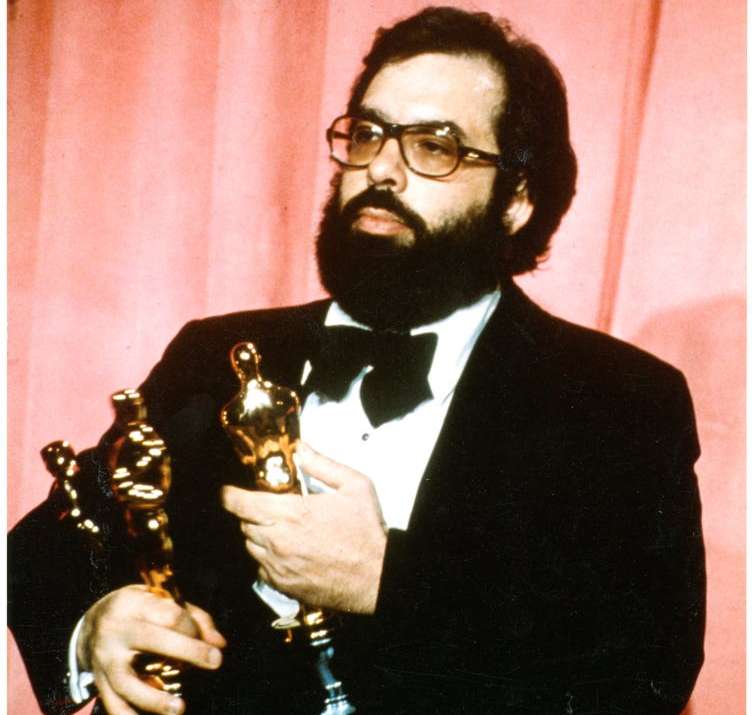
Image result for francis ford coppola oscars

Obviously, if I think a movie is bad then it's going to rank lower than one I think is good. To my surprise, I found that despite the criticism the Academy gets over not giving Best Picture to certain films (or even not nominating certain films), most of the Best Picture winners are actually quite good in and of themselves. Out of the 91 films that have won I gave an A-rating to 41 of them. That's almost half of the Best Picture winners being superior films to my mind.

The fact that Grand Hotel or All the King's Men are not as well-remembered as Ben-Hur or On the Waterfront does not make them terrible films. That How Green Was My Valley beat out Citizen Kane or The Greatest Show on Earth was nominated let alone won Best Picture while Singin' in the Rain wasn't also do not make either 'bad films'.

Now, this is not to say that certain winners, as good as they were, were the best films to win in a particular year. I thought highly of You Can't Take It With You, but I don't think it is the Best Picture of 1938 when you have The Adventures of Robin Hood in the mix.

It should be made clear, however, that one factor I am not considering for this retrospective is which film a particular film beat out. That is for another time. At the moment, I am ranking only the winners themselves, irrespective of what else was nominated.

TWO: Do I Think It Has or Will Stand the Test of Time?

Image result for david o. selznick oscar

Some films are timeless. Some films are of their time. Therein lies the difference between a great Best Picture winner, a decent Best Picture winner and a abysmal Best Picture winner.

Take two films separated by forty years: 1939's and 1979's Best Picture winners.

1939 is hailed as the Greatest Year in Cinema (at least that didn't have a Marvel movie). There were ten nominees, and looking over them I imagine a case could be made that any of them would have made worthy winners. If you took one film from 1939 and put it in another other year (say the 1938 or 1940 slate), I don't think anyone would say it wouldn't merit a nomination if not the win itself.

Dark Victory. Goodbye, Mr. Chips. Love Affair. Mr. Smith Goes to Washington. Ninotchka. Of Mice and Men. Stagecoach. The Wizard of Oz. Wuthering Heights.

Talk about an embarrassment of riches.

Some films not nominated for Best Picture of 1939 or even nominated for anything are also landmarks in cinema: Beau Geste, Young Mr. Lincoln, The Women, The Hunchback of Notre Dame.

That year's winner though is still hard to top: Gone With the Wind. A legendary picture, Gone With the Wind has more than stood the test of time, so much so that despite some growing criticism and condemnation about the racial aspects of the film I think Gone With the Wind will survive as it has survived.

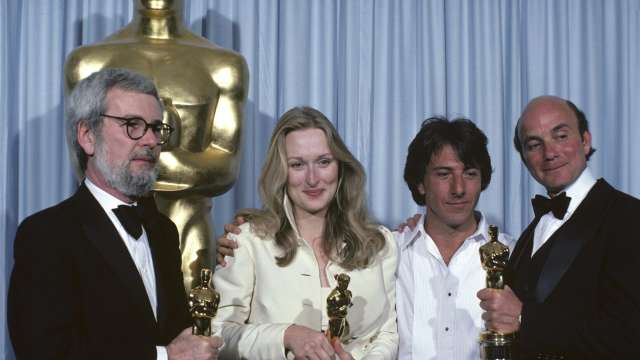
Image result for kramer vs kramer oscars
A mere forty years later, the five nominated films, while still good, are no match for 1939. All That Jazz and Apocalypse Now have stood the test of time, but they didn't win. Fellow nominees Norma Rae and Breaking Away have faded somewhat from public consciousness but curiously, the winner is probably the least-remembered of the five. Kramer vs. Kramer is certainly not a bad film, and I imagine that the subject of divorce, custody battles and gender roles would be almost daring and progressive when it won.

However, with multiple marriages and even same-sex marriage now common, Kramer vs. Kramer has lost a great deal of its power. It has become dated, squarely a portrait of the 1970's that I don't think is seen or remembered as often as Gone With the Wind.

Sadly, Kramer vs. Kramer is now in my view a film that if remembered at all, it is because it won Best Picture and not because it is an exceptional film. That fate befalls many films: Around the World in 80 Days, Gentleman's Agreement, The Broadway Melody all won Best Picture, but how often do people see them, let alone remember they exist?

To be fair, it is too soon to see how some of the more recent Best Picture winners will fare in the course of time. Here, I took as educated a guess as I could, thinking about how they might fare versus those from the past.

THREE: Would I Watch it Again?

Image result for no country for old men oscars
Here I think my rankings hit the 'subjective' part. There are some Best Picture winners I could watch every day. There are some Best Picture winners you could not pay me to watch again. I figure this might get me some pushback when I publish my lists because I do not think highly of certain winners held as 'landmarks' or 'turning points' in cinematic or human history.

It might strike some as outrageous that I would place Going My Way over something like No Country for Old Men. However, here is where the 'would I watch it again' criteria comes in. I liked Going My Way even if I think it is perhaps one of the weaker winners.

However, if someone asked me, 'which one of the two would you like to see?' I would tell Anton Chigurh and Company to go THEIR own way even if No Country for Old Men is thought highly as this brilliant film and Going My Way as this forgettable trifle.

Yes, I "know" No Country for Old Men is held up by the cinematic intelligentsia as something unimpeachable, something to measure all life to. However, having seen it twice (when it was released and for this Best Picture retrospective), I felt nothing for it and worse, ended up hating it twice.

My list, end of discussion.


Once I took all these factors into consideration, I made two rankings and then compared them to make my final list. I was surprised that apart from switching the Fourth and Fifth Best Picture winners, my Top Ten matched both lists. I also saw that my Four Worst winners also matched. Sometimes a film matched exactly on both lists, so that's where I ranked it. Sometimes there was a slight difference of maybe one or two spots, so I juggled it the best I thought.

Sometimes though, the rankings varied wildly. Green Book was 48 on one list, 62 on the other. In those cases, I looked at what films ranked above and below Green Book on both lists, which films came close to it and where I think it would be in terms of history.

In short, I tried to balance art, longevity and personal taste as best I could. That at times required a few somersaults.

For the life of me I cannot comprehend the cult around An American in Paris as this brilliant film. I found it quite boring and slightly creepy, with nothing actually worth a Best Picture win apart from the closing ballet number. However, it is still remembered and played at classic film festivals. It's not a film I think is good but I cannot deny how it has survived no matter how illogical it is to me.

The Greatest Show on Earth may be all but forgotten and held as one of if not the worst Best Picture winner, but I would rather watch that than Dances With Wolves. I'm not arguing that The Greatest Show on Earth is a 'great' film, let alone worthy of being named Best Picture. It ranks fourth of the five nominated films of 1952 (alas, Ivanhoe). I just happen to prefer it over Dances With Wolves, which is a good film but oh, so long.

My list, end of discussion.

With that finally over with, I can now present My Ten Best and Worst Best Picture winners, along with the complete rankings.